How to Extend the Lifespan of Your Garage Door (Sacramento, CA Guide)
Why Garage Door Maintenance Matters for Sacramento Homeowners
Increased Wear from Dust, Debris, and Dry Air in Sacramento’s Climate
Common issues caused by Sacramento’s dry, dusty environment include:
- Rollers wearing down more quickly
- Tracks becoming dirty or obstructed
- Increased strain on the opener due to friction
- Squeaking or grinding sounds during operation
How Regular Maintenance Reduces Repair Costs and Extends Lifespan
Benefits of consistent maintenance include:
- Fewer emergency repair calls
- Lower risk of sudden spring failure
- Improved door balance and alignment
- Longer lifespan for your opener, springs, and rollers
A well-maintained garage door can last 20–25 years or more, even in Sacramento’s challenging climate.
Benefits of Smoother, Quieter Operation for Daily Use
Maintenance leads to:
- Smooth opening and closing
- Reduced noise from rollers and hinges
- Less vibration on the garage door opener
- More reliable performance during temperature extremes
When your garage door operates smoothly, it puts less strain on every component, directly improving the garage door lifespan.
Perform Regular Visual Inspections to Catch Problems Early
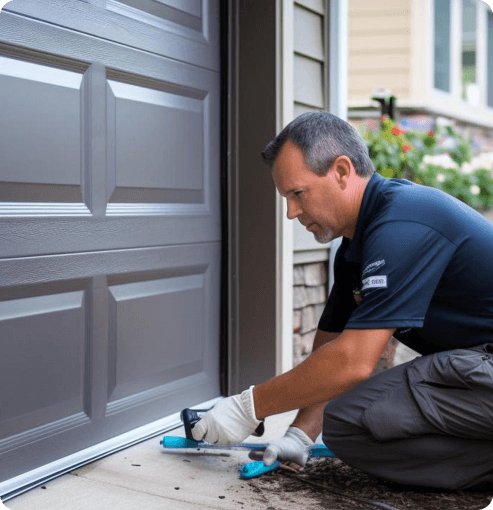
Checking for Frayed Cables, Worn Rollers, and Bent Tracks
During inspections, look for:
- Frayed or loose cables
- Rollers that wobble, stick, or show visible wear
- Tracks that appear dented, misaligned, or obstructed
Catching these issues early can significantly improve performance and prevent sudden breakdowns.
Identifying Loose Bolts or Hardware Vibration Issues
Over time, this vibration can cause screws, bolts, and brackets to shift out of place, reducing stability and putting unnecessary strain on the opener.
Inspect:
- Hinges
- Brackets
- Track screws
- Opener mounting hardware
Spotting Rust Early Due to Occasional Sacramento Winter Moisture
Signs of rust include:
- Orange or brown discoloration
- Flaking or peeling metal
- Corrosion around bolts or spring coils
Early rust treatment prevents weakening of essential parts and helps extend overall system longevity.
When Visual Issues Require Calling a Professional
Not every garage door issue is safe to fix on your own. Sacramento homeowners should call a licensed garage door technician if they notice:
- Severely frayed or broken cables
- A door that’s crooked or sagging on one side
- Loud popping sounds from springs
- A door that won’t open or close smoothly despite cleared tracks
- Rust on torsion springs or structural components
Keep All Moving Parts Properly Lubricated
Best Lubricants for Garage Doors in Sacramento’s Hot Climate
The best options include:
- Silicone-based sprays — Ideal for resisting heat and repelling dust
- Lithium-based grease — Long-lasting and excellent for high-friction metal components
- Non-detergent garage door lubricants — Designed to withstand heavy use and temperature fluctuations
Avoid WD-40 or household oils—they are degreasers and can strip away necessary lubrication, reducing your garage door’s lifespan.
Components to Lubricate: Hinges, Rollers, Springs, Bearings
Proper lubrication helps minimize grinding, friction, and noise. Sacramento homeowners should focus on the components that do the most work:
- Hinges: Apply a small amount to each hinge pivot point
- Rollers: Lubricate the bearings if they are not sealed; do not lubricate nylon wheels themselves
- Springs: Apply a light coat along torsion or extension springs to reduce wear
- Bearings and pulleys: Lubricate moving joints and sheaves to reduce tension on the cables
- Openers: Apply lubricant only to metal chains; belt drives typically do not require lubrication
How Often You Should Lubricate in Sacramento vs. Coastal Climates
Sacramento homeowners should lubricate every 3–4 months, especially during:
- Late spring (before the summer heat)
- Mid-summer (when temperatures peak)
- Fall (after dust, ash, or debris from wildfire season may accumulate)
Signs Lubrication Is Overdue
If lubrication is overdue, your garage door will show clear signs that it’s working harder than it should. Watch for:
- Squeaking, grinding, or rattling noises
- Jerky or uneven movement when opening or closing
- Rollers that appear dry or worn
- Springs that look rusty, stretched, or noisy
- An opener that strains or vibrates excessively
Maintain Your Garage Door Springs to Prevent Major Breakdowns
Why Springs Wear Out Faster With Frequent Daily Use
Most garage door springs are rated for about 10,000 cycles, where one cycle equals one full opening and closing. For households that use the garage door as the primary entrance—a common trend in Sacramento suburbs like Elk Grove, Natomas and Roseville—those cycles add up quickly.
Frequent daily use leads to:
- Faster tension loss
- Increased metal fatigue
- Higher likelihood of spring snapping unexpectedly
- Uneven lifting or sagging doors
How Sacramento’s Temperature Fluctuations Affect Torsion Springs
This cycle weakens spring integrity and leads to:
- Brittle or weakened coils
- Spring overstretch
- Reduced lifting power
- Increased noise during operation
Extreme heat also dries out lubrication faster, increasing friction on the coils and shortening the spring’s lifespan.
Safe Ways to Spot Spring Fatigue (Without DIY Adjustments)
Look for:
- A garage door that opens slower than usual
- Loud popping or banging sounds during operation
- Gaps between torsion spring coils
- A door that feels unusually heavy when lifting manually
- A door that stops mid-way or struggles to stay open
If you see any of these symptoms, avoid using the door until a professional inspects the system.
When to Schedule Professional Spring Maintenance
Spring maintenance is not a DIY job—professional service ensures safety and prevents major system failures. Sacramento homeowners should schedule a spring inspection:
- Annually to evaluate tension, alignment, and wear
- Before peak summer heat, when metal expansion is highest
- After any loud snap or sudden difficulty lifting the door
- When the door feels heavier than normal
A trained technician can safely lubricate, balance, and test the springs while identifying issues long before they turn into costly repairs.
Balance and Align the Door for Smooth, Safe Operation
Why Unbalanced Doors Strain the Motor
This leads to:
- Motor overheating during Sacramento’s hot summers
- Increased wear on gears and internal components
- Premature opener failure
- Higher electricity use due to longer, harder cycles
An unbalanced door also increases stress on the springs, shortening their lifespan and raising the likelihood of sudden breakage.
Symptoms of a Misaligned Door
Common symptoms include:
- The door looks crooked or slanted when opening
- One side moves faster than the other
- The door shakes or vibrates excessively
- You hear scraping, dragging, or grinding noises
- The door struggles to stay open or drops suddenly
- Gaps appear between the door and the ground
If you notice any of these issues, the door may be out of alignment or the springs may need adjustment.
Professional Alignment vs. Risky DIY Attempts
Professional alignment ensures:
- Correct spring tensioning
- Proper track positioning
- Safe cable and pulley adjustments
- Even door movement with no twisting or binding
- Reduced strain on the opener and rollers
Hiring a trained technician protects your safety and prevents accidental damage to components.
Scheduling Regular Balance Checks in Sacramento
Best times to schedule balance checks:
- Early summer, before high heat increases misalignment
- Early fall, after the season’s expansion and contraction cycle
- Anytime the door begins making unusual noises
- Annually, even if the door appears to function normally
Clean and Maintain Garage Door Tracks
Removing Sacramento Dust, Dirt, and Debris Buildup
How to safely clean the tracks:
- Use a dry cloth or soft brush to wipe away loose dust
- Vacuum deeper debris along the track edges
- Wipe with a mild household cleaner if necessary
- Ensure the track is completely dry before using the door
Performing this quick cleaning every 1–2 months in Sacramento helps prevent early wear.
Why Not to Lubricate Tracks (and What to Do Instead)
Why you shouldn’t lubricate tracks:
- Lubricant attracts dust and dirt
- Sticky buildup causes rollers to drag instead of glide
- Excess debris leads to jerky, noisy operation
- Lubricant buildup can misalign rollers over time
How Dirty Tracks Shorten the Life of Rollers and Openers
Dirty tracks can lead to:
- Premature roller wear
- Opener strain from lifting a dragging door
- Increased vibration that loosens hinges and brackets
- Higher energy consumption due to longer opening cycles
- Stress on springs from uneven door movement
When a Track Replacement Becomes Necessary
You may need track replacement if:
- Tracks are visibly bent, dented, or crushed
- The door repeatedly comes off-track
- Professional adjustments can’t restore smooth movement
- There is extensive rust from winter moisture
- The door shakes violently during operation
Schedule Annual Professional Garage Door Maintenance in Sacramento
Scheduling annual garage door maintenance ensures your garage door remains safe, efficient, and durable year-round. Contact us today.

Your Trusted Partner in Garage Door Repair and Installation. Serving Sacramento, Roseville, Folsom, and Surrounding Areas