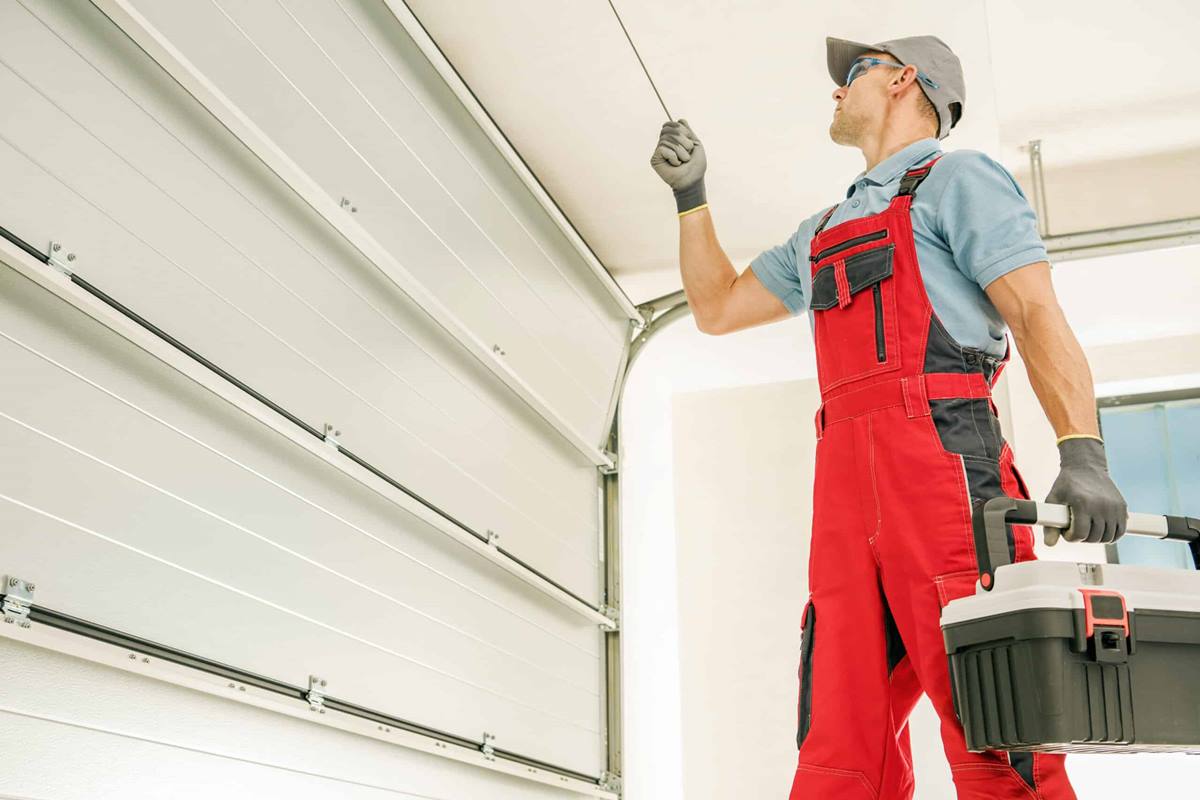
Safety Tips during Garage Door Installation (Sacramento, CA Guide)
Why Safety Matters During Garage Door Installation in Sacramento
Modern garage doors can weigh anywhere from 150 to 400 pounds depending on size and material. During installation, these panels must be lifted, positioned, and secured accurately. One slip can cause crushed fingers, back injuries, or severe impact damage.
For most households, hiring a Sacramento garage door installation expert ensures the job is done safely, correctly, and in compliance with local standards.
Prepare the Installation Area Properly
Clearing Vehicles, Tools, and Clutter from the Garage Space
The garage should be completely cleared of vehicles, stored items, lawn equipment, and miscellaneous clutter. Sacramento garages often double as storage areas, so removing obstacles ensures installers have enough room to maneuver long panels, tracks, and extension ladders.
A wide, open workspace helps prevent injuries caused by tripping or dropping components and allows installers to align the tracks and springs accurately.
Ensuring Adequate Lighting and Ventilation during Installation
Good lighting is essential when working with small hardware parts, high-tension springs, and alignment points. Sacramento homes that rely on limited daylight or interior lighting may need temporary work lights to ensure visibility.
Proper ventilation is also important, especially in the summer. Sacramento’s high heat can make garages feel 20–30 degrees hotter than outside temperatures. Keeping the door open, using fans, or installing early in the morning reduces heat-related fatigue and improves safety.
Checking Floor Conditions for Stability and Tripping Hazards
Before installation:
- Sweep and clean the floor
- Remove loose debris
- Check for unlevel surfaces that may affect door alignment
Keeping Children and Pets Away From the Work Area
Garage door installation involves tools, ladders, sharp metal components, and high-tension springs—none of which are safe for children or pets. Curious kids or animals can easily wander into the workspace and get injured.
Use the Right Tools and Safety Equipment
Required Tools for Safe Garage Door Installation
Common tools include:
- Winding bars for torsion springs
- Socket wrenches and adjustable wrenches
- Level and measuring tape
- C-clamps or locking pliers
- Power drill with appropriate bits
- Sturdy step ladders
- Impact driver (optional but helpful for metal hardware)
Wearing Protective Gear: Gloves, Safety Glasses, and Boots
Recommended safety gear includes:
- Work gloves to protect hands from cuts and pinching injuries
- Safety glasses to guard against debris and snapping hardware
- Steel-toe or reinforced boots to prevent foot injuries if panels or tools are dropped
Avoiding Improvised Tools That Can Damage Parts or Cause Injury
Improvised tools may slip, bend, or break under pressure, causing:
- Loss of control during spring winding
- Hardware damage
- Serious hand or facial injuries
- Misaligned tracks or uneven door weight
Garage door components are engineered for precision. Using improper tools increases the risk of mechanical failures that can cost more to repair later.
Sacramento Tip: Avoid Metal Tools Overheating During Summer Installs
To stay safe:
- Store tools in shaded or cooler areas
- Handle metal parts with gloves during peak heat
- Install early in the morning or late afternoon to avoid tool overheating
- Keep cold water nearby to cool tools if needed
Handle Springs and Cables with Extreme Caution
Why Torsion and Extension Springs Are the Most Dangerous Components
Garage door springs are engineered to lift and counterbalance hundreds of pounds. Torsion springs sit above the door and twist tightly to store energy, while extension springs stretch outward along the tracks. Both types operate under extreme tension.
Risks of Sudden Spring Release or Cable Snapping
Potential dangers include:
- Springs whipping violently if they break or unwind unexpectedly
- Cables snapping and acting like sharp, fast-moving projectiles
- Falling door panels when the counterbalance system fails
- Injury to anyone standing nearby, especially in tight Sacramento garages where space is limited
Only Trained Sacramento Technicians Should Adjust Spring Tension
They know how to:
- Use precision winding bars and locking tools
- Calculate proper turns based on door weight and hardware type
- Replace damaged springs and cables safely
- Test door balance without compromising structural components
How Improper Spring Installation Can Cause Long-Term Balance Issues
Even if a garage door appears functional after a DIY install, incorrect spring setup often leads to ongoing problems such as:
- The door feeling unusually heavy when lifted manually
- Premature opener strain, leading to motor burnout
- Uneven opening or closing, causing track wear
- The door stopping mid-cycle due to imbalance
- Shortened lifespan of cables, rollers, and bearings
Ensure Tracks, Hinges, and Hardware Are Securely Installed
Checking for Proper Alignment to Avoid Derailment
During installation, always verify that:
- Vertical tracks are perfectly plumb
- Horizontal tracks are level and supported
- Bolts and brackets sit flush with the frame
- Panels move smoothly through the full open/close cycle
Tightening Bolts and Brackets to Manufacturer Standards
Proper tightening helps prevent:
- Loose tracks
- Vibration damage
- Uneven door movement
- Unexpected hardware failures
Avoiding Over-Tightening That Can Warp Tracks in Hot Sacramento Conditions
Over-tightening can lead to:
- Track distortion
- Increased friction during door movement
- Noise or grinding sounds
- Frequent rebalancing issues
Installers should tighten hardware firmly but cautiously, taking temperature conditions into account.
Why Poorly Installed Hardware Leads to Long-Term Safety Hazards
Poor hardware installation can cause:
- Door panels to jam or fall out of alignment
- Increased wear on rollers and cables
- Sudden track detachment, especially under tension
- Opener strain and premature motor burnout
- Complete door failure in severe cases
Install the Garage Door Opener Safely
Ensuring the Opener Is Compatible with the Door’s Weight
Using an underpowered model can lead to:
- Opener strain or overheating
- Slow or uneven door movement
- Premature motor failure
- Safety malfunctions during operation
Properly Mounting the Opener to Prevent Vibration or Falling
To ensure safe installation:
- Use lag screws anchored into ceiling joists
- Verify the support bracket is level and rigid
- Check all mounting hardware for stability
- Ensure the trolley rail is aligned with the center of the door
Setting Up Auto-Reverse and Safety Sensors Correctly
Correct setup includes:
- Mounting sensors 4–6 inches above the floor
- Aligning sensors so they face each other directly
- Testing the auto-reverse function with a soft object
- Adjusting sensitivity according to manufacturer instructions
Sacramento Tip: Preventing Sensor Misalignment from Dust or Sunlight Glare
To avoid these issues:
- Install sensors on the shaded side if possible
- Use sun shields or angled brackets to reduce glare
- Wipe sensors regularly to prevent dust and pollen buildup
- Avoid pointing sensors directly toward west-facing openings where Sacramento’s evening sun is strongest
Test Safety Features before Completing the Job
Checking the Auto-Reverse System
To test:
- Place a soft object (like a roll of paper towels) under the door
- Close the door using the opener
- Confirm that the door reverses immediately upon contact
Ensuring Photo-Eye Sensors Are Aligned and Unobstructed
During testing:
- Confirm sensors face each other directly
- Clean lenses to remove dust—common in Sacramento’s dry climate
- Check for sunlight interference, especially in west-facing garages
- Ensure wiring is secured and undamaged
When aligned correctly, the sensors should prevent the door from closing if anything breaks the beam.
Testing Manual Release Functionality
To test:
- Pull the emergency release cord
- Lift the door manually
- Ensure the door moves smoothly and can stay partially open without falling
A door that slams shut or feels too heavy indicates balance problems or spring issues that must be corrected before use.
Verifying Smooth, Balanced Movement during Opening and Closing
A properly installed garage door should move smoothly, evenly, and quietly. During the final test, pay attention to:
- Unusual noises such as grinding or scraping
- Shaky or uneven movement
- Slow response from the opener
- Any sticking or hesitation in the tracks
Know When to Call a Professional Garage Door Installer in Sacramento
When the New Door Feels Uneven or Too Heavy to Lift
If the new door feels unusually heavy or one side rises faster than the other, it is likely an issue with:
- Incorrect spring tension
- Misaligned tracks
- Imbalanced panels
- Loose hardware or bracket issues
Difficulty Aligning Tracks or Mounting Panels
If you experience:
- Tracks that won’t sit flush
- Panels that don’t line up properly
- Repeated adjustments that don’t fix the issue
…it’s time to call a technician. Sacramento homes—especially older properties—may have uneven framing or settling that complicates DIY installation.
Signs of Spring Tension Failure or Cable Misalignment
Warning signs include:
- Loud snapping or popping sounds
- One side of the door lifting higher than the other
- Cables fraying, loosening, or slipping off the drum
- A door that drops suddenly or won’t stay open
Why Trusted Sacramento Technicians Offer Safer, Faster Installation
Benefits of hiring a local specialist include:
- Faster, more accurate installation
- Proper spring calibration for smooth operation
- Safe handling of heavy and insulated door panels
- Knowledge of Sacramento dust, heat, and UV issues that affect sensors and hardware
- Compliance with California safety and electrical codes
- Reduced risk of long-term mechanical problems
Experienced Sacramento garage door installation also guarantees their work, giving homeowners peace of mind and long-term protection.

Your Trusted Partner in Garage Door Repair and Installation. Serving Sacramento, Roseville, Folsom, and Surrounding Areas