 Google
 HomeAdvisor
 Thumbtack
 Yelp
Yelp

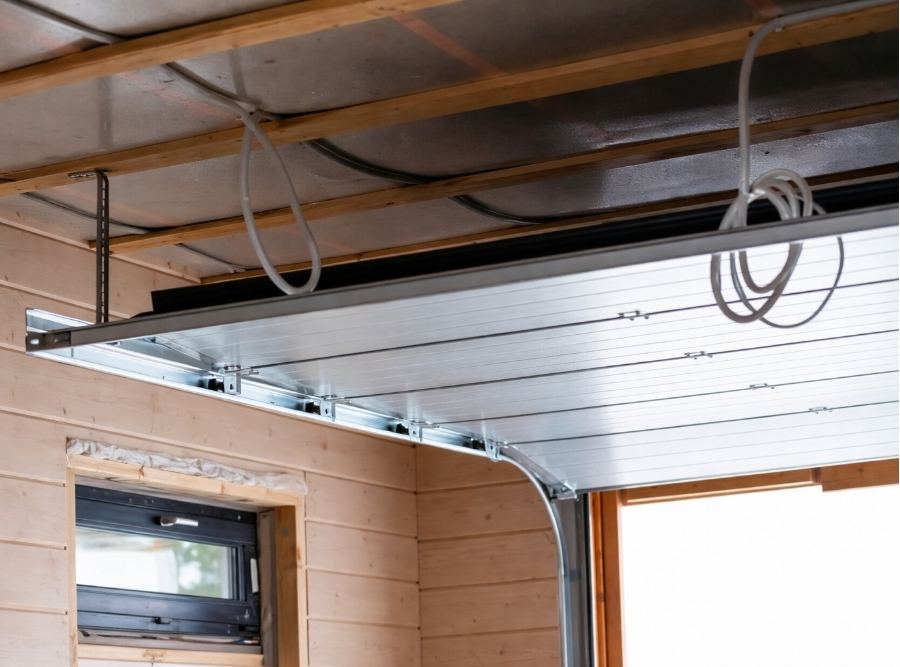
City vs Suburb: Why Garage Door Repair Needs in Sacramento and Roseville Are Not the Same
Garage door repair needs in Sacramento and Roseville are not the same because homes in Sacramento tend to have older structures and alignment issues, while Roseville homes experience more wear from frequent daily use. In the city, problems often come from aging systems and shifting foundations, while in the suburbs, high-cycle usage leads to faster spring failure and component fatigue. The environment and lifestyle in each area directly shape how garage doors break and how they need to be repaired.
If you have ever heard a loud bang from your garage that sounded like a gunshot, followed by a door that suddenly will not open, you know how quickly a normal day can turn into a stressful one.
For a lot of homeowners in Sacramento and Roseville, that moment is the first sign that something inside the system has failed. The problem is not just the failure itself. It is that most people do not realize how much their location affects why it happened in the first place.
A garage door in Midtown Sacramento and one in West Roseville may look similar from the outside, but they operate under completely different conditions. The way they wear down, the way they fail, and the way they need to be repaired is shaped by the home, the layout, and how often that door is used every single day.
After working across both areas, the patterns become easy to spot.
Why Older Sacramento Garages Fail Differently Than Newer Homes
In neighborhoods like Midtown, East Sacramento, Land Park, and Curtis Park, garage doors tend to reflect the age and character of the home itself.
These are not modern, standardized setups. Many garages were built decades ago, often with alley access behind the home. In Midtown especially, it is common to see narrow garages tucked behind properties, accessed through tight alleys where space is limited and clearances are tight.
That physical environment creates a very specific type of wear.
In these homes, the issue is rarely just a broken part. It is usually a system that has slowly fallen out of alignment over time.
Foundations settle. Framing shifts. Tracks move slightly out of position. What starts as a minor imbalance gradually turns into a door that no longer lifts evenly. One side may rise faster than the other, or the door may begin to sit slightly crooked in the opening.
Homeowners often describe it in simple terms. The door feels off. It hesitates during the first foot of movement. It might jerk or bind before finally getting going.
In Land Park and East Sacramento, it is common to see doors that are rubbing against the frame because the structure itself has shifted over time. In older alley access garages, debris and dust collect unnoticed, adding friction to an already stressed system.
Eventually, that slow drift catches up. The door can come off track, get stuck halfway, or refuse to close properly, leaving the home exposed and the situation suddenly urgent.
Why Roseville Garage Doors Wear Out Faster Despite Being Newer
Head out toward Roseville, especially newer communities in West Roseville, Stoneridge, or areas just off Pleasant Grove and Fiddyment, and the situation flips.
The systems are newer. The installations are cleaner. The doors are larger and often built for two or three vehicles.
But the stress is not coming from age. It is coming from usage. In many Roseville homes, the garage door becomes the primary entrance. It is used throughout the day for work, school, errands, and everything in between. It is not unusual for the door to open and close eight or more times daily.
That level of use puts continuous strain on one key component.
The spring.
Most homeowners never think about it until it fails. And when it does, it is impossible to miss.
That loud bang that sounds like something just snapped inside the garage is almost always a broken spring. In many cases, it happens early in the morning when the air is cooler and the metal is more brittle.
After that moment, the door may only lift a few inches before stopping. Some homeowners pull the red emergency release cord, expecting a quick fix, only to realize the door suddenly feels like it weighs hundreds of pounds.
That is because it does. The spring is what counterbalances the door. Without it, the opener is no longer assisting a balanced system. It is trying to lift the full weight of the door on its own. This is where another common mistake happens. The homeowner presses the wall button again and hears the motor humming, but nothing is moving. Continuing to press that button can quickly strip the internal gears of the opener. What started as a spring failure can turn into a much larger repair.
How Sacramento’s Climate Quietly Accelerates Garage Door Failures
Both Sacramento and Roseville share the same valley climate, but its effects show up differently depending on the home and setup.
Summer heat regularly pushes past one hundred degrees. That level of heat dries out lubricants and increases friction between moving parts. Springs, rollers, and bearings all begin to wear faster under those conditions.
Dust from the valley sticks to whatever grease remains and forms an abrasive layer inside the system. Over time, this adds resistance and shortens the lifespan of key components.
At night, the Delta Breeze cools things down quickly. That rapid temperature change causes metal components to expand and contract, placing additional stress on springs that may already be nearing their limit.
In the winter, tule fog introduces moisture into the equation. In older Sacramento garages, especially detached ones, this can lead to rusted hardware or swelling in wood doors. In newer Roseville homes, it often shows up as corrosion in springs and bearings that would otherwise last longer.
The climate is shared, but the way it impacts each garage door depends on the structure, usage, and materials involved.
The Moment It Stops Being an Inconvenience and Becomes Urgent
Across both Sacramento and Roseville, most homeowners wait longer than they should to address early warning signs.
A slower door. A new noise. A slight tilt.
These issues are easy to overlook when the door is still functioning. But the moment it fails completely, everything changes. The car is stuck inside. The door is halfway open and will not close. The home does not feel secure. At that point, it is no longer a maintenance issue. It is urgent.
Why Understanding Your Local Setup Helps You Avoid Bigger Repairs
A garage door in Midtown and one in West Roseville may look similar at a glance, but they fail for very different reasons. In Sacramento, the root cause is often structural and alignment related. In Roseville, it is usually the result of repeated daily cycles wearing down key components.
Understanding that difference helps you recognize early warning signs for what they really are. The slow movement. The uneven lift. The sudden loud snap. They are not random. They are predictable.
A Straightforward Perspective From the Field
If your garage door starts to feel different, there is usually a reason behind it. A properly functioning system should open smoothly, evenly, and without strain. If it begins to sound louder, move slower, or look slightly off, those are early indicators that something inside the system is wearing out. Addressing those signs early is almost always simpler and more cost effective than waiting for a full failure.
In Sacramento and Roseville, where garage doors are used daily and often multiple times a day, staying ahead of those issues is not just about convenience. It is about avoiding the moment when everything stops working at once.
Stuck Right Now? Here’s What That Usually Means
If your garage door is stuck, crooked, or suddenly too heavy to lift in Sacramento or Roseville, you are most likely dealing with a broken spring or a system that has fallen out of alignment.
Whether you are dealing with a tight Midtown alley garage or a newer Roseville home, these problems tend to escalate quickly once they start.
Getting it checked early is the safest way to prevent additional damage and avoid more expensive repairs.
