 Google
 HomeAdvisor
 Thumbtack
 Yelp
Yelp

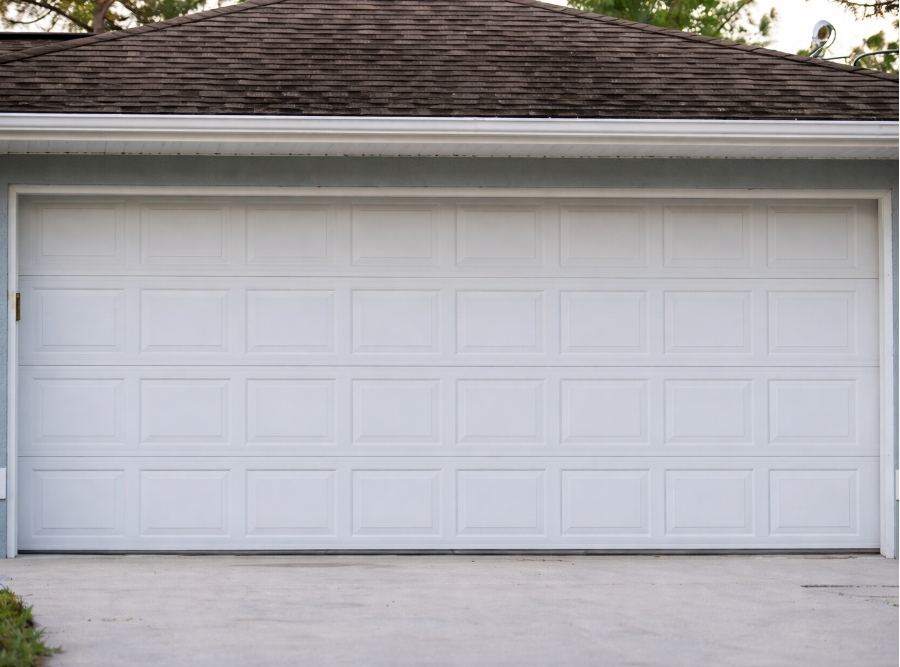
The One Upgrade Older Homes in Fair Oaks, Citrus Heights, and Orangevale Keep Getting Wrong
The most common mistake homeowners make is replacing the garage door panels but keeping the old springs, cables, and hardware. This creates an unbalanced system where the opener works harder and parts wear out faster. A proper upgrade includes the full system, not just the door.
If you live in Fair Oaks, Citrus Heights, or Orangevale, there is a good chance your garage door has been replaced at some point. Maybe it was upgraded for curb appeal. Maybe for insulation during those long, hot summers. From the outside, everything looks right.
And yet, something feels off. The door hesitates when it starts to lift. It sounds rough halfway through. Sometimes the opener feels like it is straining just to get the door moving.
I see this all the time in homes off Greenback Lane, behind Birdcage, and out past Hazel toward the Lake Natoma side. The door was upgraded, the system was not.
Why a “New Door” Can Still Feel Like an Old Problem
Across Citrus Heights, Fair Oaks, and Orangevale, homeowners invest in new garage doors expecting quieter, smoother performance. And visually, that is exactly what they get.
But underneath, many of these installations are still running on original components. Springs that are years past their prime. Rollers that have worn flat. Cables that have already begun to fray. Openers that were never designed for the weight of a modern insulated door.
At first, the system holds together. Then it starts to push back. Because a garage door is not just a panel. It is a balanced mechanical system under tension. When new weight is added without updating the support system, everything else is forced to compensate.
And here is where most homeowners are caught off guard. Modern insulated doors are often heavier than the older wood or thin steel doors installed in the 1960s and 70s. What looks like an upgrade on the surface actually increases the workload on an already aging system.
Why This Keeps Happening in Fair Oaks, Citrus Heights, and Orangevale
This problem is not random. It is tied directly to how homes in this region were built and how they are used today.
In Citrus Heights, especially around Sylvan and the Mariposa corridors, many homes still rely on original garage hardware. In Fair Oaks, properties near Winding Way or along the bluffs deal with subtle shifts in alignment over time. In Orangevale, garages are often set back off the main road and used as active workspaces rather than simple storage.
The usage has changed, but the systems have not.
What used to be a place to park a car has become the primary entry point for the home. It is not unusual for a garage door here to cycle eight to twelve times a day, sometimes more.
Most standard springs are built for around ten thousand cycles. In real-world use, that lifespan disappears quickly.
Then you add the environment.
During a Citrus Heights summer, when temperatures climb past 100 degrees, old grease inside tracks and bearings begins to break down. It can thin out or harden into a sticky residue. If the rollers were never upgraded, that is when the door starts to scream or grind during operation.
In Fair Oaks and Orangevale, winter fog keeps moisture close to the ground, especially in shaded areas. Over time, that leads to rust forming on bottom brackets and cables. In more open properties, dust and debris settle into the tracks, gradually wearing down moving parts.
Even small details add up.
Older bottom seals that were never replaced can leave gaps along the concrete. In parts of Orangevale and Fair Oaks, that creates an easy entry point for debris or field mice, especially in garages used as workshops or storage spaces.
The Moment It Fails: What That “Gunshot” Sound Really Means
The early signs rarely feel urgent. A slight hesitation when the door starts moving. A change in sound. Maybe a little more resistance than usual when lifting it by hand.
Then one day, it escalates. A loud bang, like a gunshot, echoes through the garage. The door suddenly refuses to open. The motor runs, but nothing moves. Or the door lifts unevenly and hangs at an angle, looking like it might give out completely.
These are not isolated problems. They are the result of a system that has been out of balance for a long time. A torsion spring finally snaps. A cable slips off the drum. The opener, which should guide the door, has been forced to do the heavy lifting and begins to fail under the strain.
By the time most homeowners call, the issue has already progressed beyond a simple fix.
How a Partial Upgrade Turns Into a Bigger Repair
When the system is not upgraded as a whole, problems rarely stay contained. A worn spring forces the opener to take on extra load. Over time, that can wear down internal components like the drive gear. What could have been a straightforward repair becomes more involved.
If a cable comes loose or snaps, the door can hang unevenly, placing stress on the panels. In some cases, the top section bends or creases, turning a repair into a full replacement situation.
This kind of escalation builds slowly. It often starts with minor warning signs that are easy to ignore because the door still technically works.
What a True Garage Door Upgrade Actually Includes
A proper upgrade focuses on restoring balance across the entire system, not just improving appearance.
The springs must be matched to the exact weight of the door, especially with insulated models. The cables need to be in solid condition and properly tensioned. Rollers should allow smooth, quiet movement, particularly in high heat environments where older materials tend to break down faster.
Alignment is critical. In Fair Oaks, where some homes sit on uneven terrain or older foundations, even a slight shift can cause the door to bind over time if it is not addressed during installation.
The opener also needs to be evaluated honestly. Just because it still runs does not mean it is designed to handle the demands of a heavier, modern door.
When everything is working together properly, the difference is clear. The door moves smoothly. The noise disappears. The system operates without strain.
A Simple Way to Tell If Your System Was Upgraded Correctly
If your garage door has been replaced in the last few years, the easiest way to evaluate it is by how it feels.
A properly balanced door should move consistently and without hesitation. It should not sound strained or uneven. When disconnected from the opener, it should feel controlled, not excessively heavy.
If something feels even slightly off, there is usually a reason. And in this region, where garages are used constantly and conditions are demanding, small imbalances tend to turn into bigger issues faster than expected.
The Part of a Garage Door Upgrade Most Homeowners Never See
Homeowners in Fair Oaks, Citrus Heights, and Orangevale take pride in maintaining their homes, whether it is a classic ranch in Citrus Heights or a larger property tucked back off Hazel Avenue.
A garage door upgrade should support that investment. But the real value is not just how the door looks. It is how the system performs every single day under real conditions.
The visible door is only part of the equation. The components behind it determine whether the system runs smoothly for years or starts to fail sooner than it should. When everything is upgraded together, the difference is immediate and lasting. And in a region where heat, usage, and environment all work against you, doing it right the first time is what keeps everything running the way it should.
