 Google
 HomeAdvisor
 Thumbtack
 Yelp
Yelp

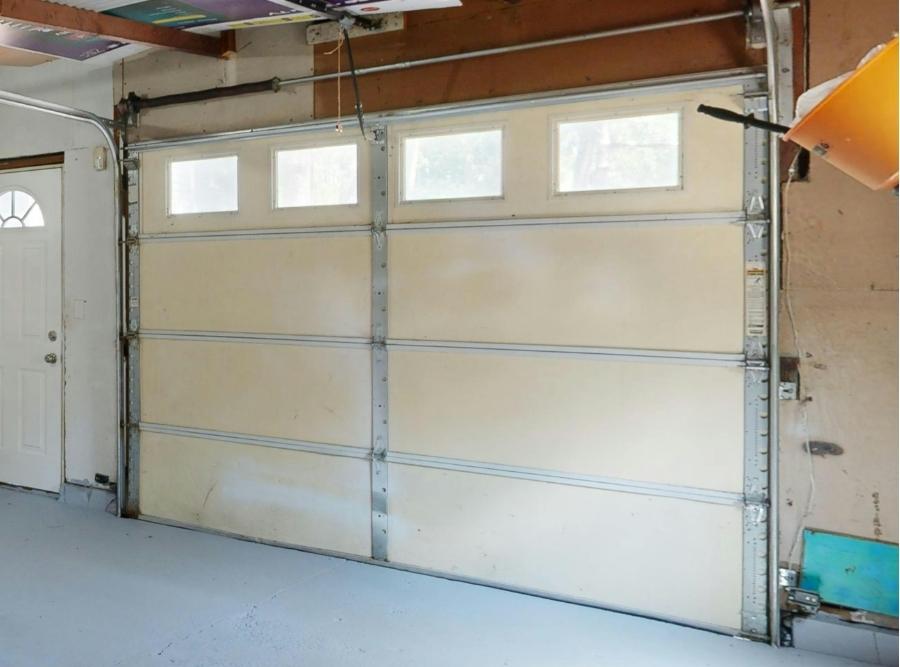
Insulated vs Non-Insulated Garage Doors in Roseville: Real Temperature and Noise Differences Local Homeowners Should Know
In Roseville, insulated garage doors significantly reduce heat buildup and noise compared to non insulated doors, especially in west facing garages exposed to extreme afternoon sun. They help keep garage temperatures lower, improve energy efficiency, and reduce strain on your door system. For most attached garages in this climate, an insulated door is the better long term choice.
By mid afternoon in Roseville, you can feel it before you even touch the handle.
The garage radiates heat like a furnace. The metal door is almost too hot to touch. Step inside and it feels like you walked into a different climate zone. Then once the sun drops and the Delta breeze starts moving through, the door begins to pop and creak as the metal rapidly cools.
If you live anywhere off Blue Oaks, Pleasant Grove, or out in Westpark or Fiddyment, you already know this is not unusual. It is everyday life during the summer.
After working on garage doors across Roseville, from the older homes near Folsom Road to the newer builds west of Foothills, one thing becomes clear fast. The difference between an insulated and a non insulated garage door is not subtle. It affects temperature, noise, system lifespan, and even your energy bill.
Let’s walk through what actually happens in real garages here.
What You Are Really Getting When You Choose Insulation
Most homeowners think insulation just means a thicker door. The reality is more important than that.
A non insulated garage door is a single layer of steel. There is nothing stopping heat from passing straight through it. By mid afternoon, that steel absorbs the sun and pushes it directly into your garage.
An insulated door is built more like a wall, with three layers working together.
Outer steel layer facing the sun
Insulation core in the middle
Interior steel backing for strength
That middle layer slows heat transfer, but the real upgrade in higher quality doors is something called a thermal break. This simply means the outer and inner steel layers are separated so heat cannot travel directly through the metal.
In a place like Roseville, where summer heat is constant and intense, that detail matters more than most homeowners realize.
Surviving a 105 Degree Afternoon in West Roseville
Let’s take a real world scenario.
A west facing garage in West Roseville on a one hundred and five degree day. This is common in neighborhoods like Westpark, Blue Oaks, and Morgan Creek where homes take direct afternoon sun.
With a non insulated door, garage temperatures can easily climb into the one hundred twenty to one hundred thirty five degree range. The door itself becomes a heat source. You can feel warmth radiating several feet into the garage. If your home has a room above or next to the garage, that heat starts working its way inside, which often shows up on your Roseville Electric bill.
With an insulated door, the difference is immediate. The garage is still warm, but it is controlled. Instead of extreme spikes, temperatures rise more gradually and stay closer to outdoor conditions. The door is no longer acting like a heat amplifier.
This is where R value comes into play. It measures how well the door resists heat flow. In Roseville, where direct sun and triple digit days are routine, higher R value is not just a feature. It is a functional necessity.
Pro Tip from the Field
If your garage faces west in neighborhoods like Morgan Creek, Stoneridge, or anywhere off Blue Oaks, do not just look at the R value. Ask whether the door has a thermal break. Without it, the outer steel can still transfer heat directly to the inner layer, reducing the effectiveness of the insulation.
Why Some Garage Doors Shake the House While Others Do Not
Noise is often overlooked until it becomes a daily annoyance.
In older areas like Roseville Heights or near the numbered streets off Folsom Road, single layer doors tend to rattle during operation. The vibration travels through the framing and into the house. If you have a bedroom above the garage, you hear every cycle.
In newer communities like Stoneridge or Highland Park, where garages are used constantly, that noise becomes part of your daily routine whether you want it or not.
An insulated door changes how the system sounds. The added weight and layered construction absorb vibration. Instead of a hollow rattle, you get a more solid, controlled movement that feels and sounds more refined.
The Hidden Factor Most Homeowners Miss: Weight and Balance
This is where experience in the field really matters.
Insulated doors are heavier, and that added weight has to be matched with the correct spring system. Torsion springs are designed for a specific load, and when that load changes, the springs need to be recalibrated.
This is where many homeowners run into trouble. They try to add aftermarket insulation panels to an existing door. The door gets heavier, but the springs stay the same. The opener starts working harder than it should. Over time, gears wear down, springs fatigue faster, and eventually something fails.
In Roseville, where garage doors often act as the main entry point and cycle multiple times a day, this problem shows up even faster.
For homes in Westpark, Fiddyment, or Blue Oaks, upgrading to high cycle springs is one of the smartest long term decisions you can make. Standard springs are typically rated for around ten thousand cycles. With daily use, that can mean only a few years of life. High cycle springs extend that lifespan and keep the system running safely.
Why Roseville Garages Are Working Harder Than Ever
Garage use in Roseville has changed.
In many homes, the garage is no longer just for parking. It is a gym, a workspace, a storage hub, and increasingly, a charging station for electric vehicles. That shift matters.
Extreme heat inside the garage can affect charging efficiency and long term battery health. When temperatures stay elevated for hours, it creates a less stable environment for both the vehicle and the charging equipment.
An insulated garage door helps regulate that space, keeping temperatures more consistent throughout the day and making the garage more functional for modern use.
When a Non Insulated Door Still Makes Sense
There are still situations where a non insulated door works.
Detached garages
Low usage spaces
Basic storage needs
In older parts of Roseville, particularly near Enwood or Roseville Heights, detached garages are more common. In those cases, the impact on the home itself is limited, and a non insulated door can be a practical choice.
But in attached garages, especially in newer developments across West Roseville, the limitations tend to show up quickly.
What Usually Happens Over Time (And Why It Gets Expensive)
This is a pattern that repeats itself.
A homeowner chooses a non insulated door to save money upfront. Over time, the garage becomes uncomfortable. The system works harder. Noise becomes more noticeable. Components begin to wear faster.
Small repairs start to add up. Springs fail sooner than expected. Openers struggle under load. Panels begin to show signs of warping from repeated heat exposure.
Eventually, the conversation shifts from maintenance to full replacement.
On the other side, homeowners who install a properly balanced insulated system from the start tend to deal with fewer issues. The door runs smoother, the space is more usable, and the system holds up better over time.
A Simple Way to Know If Your Current Door Is Holding You Back
If I pull up to a home in Roseville and see a west facing garage with a single layer steel door, I already have a clear picture of what the homeowner is dealing with.
Heat buildup
Noise during operation
A system that feels like it is working harder than it should
The solution is not a temporary fix. It is choosing a door that is designed for the environment it is in and making sure the entire system is properly balanced to support it.
Do Not Wait Until It Fails in the Middle of Summer
In Roseville, your garage door is not just a moving panel. It is part of your home’s defense against heat, noise, and daily wear.
If your garage faces the afternoon sun or connects directly to your living space, it is worth taking a closer look at how your current door is performing.
Do not wait until the system struggles during a one hundred degree week or fails when you need it most. A quick evaluation of your insulation, spring balance, and overall setup can prevent bigger and more expensive problems later.
And in this climate, that is not just convenience. It is peace of mind.
