 Google
 HomeAdvisor
 Thumbtack
 Yelp
Yelp

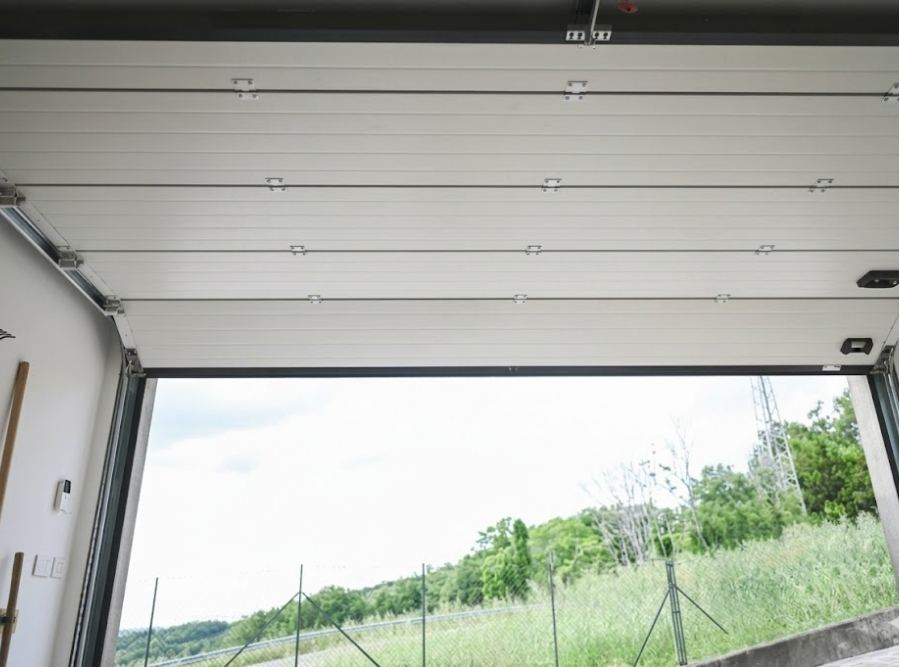
Why Does My Garage Door Reverse Before It Closes All the Way in Roseville?
A garage door reverses before closing when it detects something it thinks is blocking it. The most common causes are misaligned or dirty safety photo-eyes, resistance in the tracks, or incorrect opener limit settings. In Roseville, heat, dust, and frequent daily use can make this happen more often.
If your garage door starts to close, hits the ground, then immediately goes back up, you are not alone. Around Roseville, I hear homeowners describe it all kinds of ways. Some say the door is “bouncing back.” Others say it feels like it is “acting haunted.” And the most frustrating part is that it does not always happen the same way twice.
It might work perfectly in the morning, then refuse to close later that same day. That inconsistency is what throws people off, but there is always a reason behind it.
This Is Not a Malfunction. It Is a Safety Reaction
Garage doors are designed to reverse when something does not feel right. Your opener is constantly monitoring movement, resistance, and signal input. If anything falls outside of what it expects, it stops and reverses.
This is what prevents damage and injury. The door is not being difficult. It is doing exactly what it was built to do.
The real issue is what is triggering that reaction.
The First Place I Look in Roseville Homes
Most of the time, the issue starts with the safety photo-eyes near the floor. These small sensors sit on both sides of the garage opening and send an invisible beam across the doorway. If that beam is interrupted or weakened, the door will not close.
In neighborhoods like West Park, Pleasant Grove, and out past Fiddyment, garages are used as the main entrance. That means more traffic moving in and out, more storage, and more chances for those photo-eyes to get bumped or slightly knocked out of alignment.
The tricky part is that they do not have to be completely off. Even a slight shift can cause the signal to weaken just enough for the system to think something is in the way right as the door reaches the ground.
The Roseville Dust Factor That Gets Missed
There is another issue that shows up a lot in newer parts of Roseville, and that is fine construction dust.
With ongoing development in West Roseville, that light silt settles everywhere, including on the lenses of the photo-eyes. It does not take much buildup to interfere with the signal. The system becomes inconsistent, and the door starts reversing at random times.
This is why a door can work fine one moment and act up the next without anything obvious changing.
Heat and Sun Exposure Play a Bigger Role Than You Think
Roseville summers put a lot of stress on garage doors. When temperatures climb into the triple digits, metal components expand. Tracks, rollers, and even the door itself can become slightly tighter in their movement.
If your garage faces south or west, which is very common in newer developments, it is taking direct afternoon heat. I have seen plenty of doors that operate smoothly early in the day, then begin to struggle later on.
When the opener feels that added resistance during closing, it assumes something is in the way. It cannot tell the difference between heat expansion and an actual obstruction, so it reverses to stay safe.
When the Opener Thinks It Hit Something
Your opener relies on limit settings to know when the door is fully closed. Over time, those settings can shift slightly, especially in homes where the door is used frequently.
In Roseville, that is common. Many households use the garage as their primary entry point, which means the system cycles far more than average.
When the door reaches the ground, the opener may think it has hit something before it is fully settled. Instead of staying closed, it reverses because it believes there is an obstruction.
Wear and Friction Start to Add Up
Not every issue is electrical. Many reversing problems come from simple mechanical wear.
When rollers begin to wear down, they stop moving smoothly. Hinges dry out, and movement becomes less fluid. Dust and debris build up inside the tracks. In Roseville’s dry climate, lubrication tends to break down faster than most homeowners expect.
When the door hesitates or shakes even slightly, the opener senses that resistance and reacts. This is usually when people describe the door as noisy, jerky, or inconsistent.
When It Points to Something More Serious
Sometimes a garage door that keeps reversing is not a sensor issue at all. It is an early warning sign that the system is losing balance.
Your garage door is designed so the springs carry most of the weight, typically anywhere from 150 to 300 pounds depending on the size and material. When those springs begin to wear out, they lose the tension needed to properly counterbalance the door.
At that point, the opener is no longer guiding the movement. It is doing the lifting.
That shift changes everything. The door may start to move unevenly, hesitate near the ground, or feel heavier if you try to lift it manually. The opener senses that strain as resistance, especially during the final few inches of closing, and triggers the reversal as a safety response.
This is often where homeowners notice a dull thud right before the door goes back up, or a slight delay as it tries to settle into the closed position. In more advanced cases, you may hear a loud bang in the garage that sounds like a gunshot. That is the torsion spring snapping under tension after reaching the end of its cycle life.
Once the system loses proper balance, the strain does not stay isolated. The opener begins to overwork, internal gears start to wear faster, and the top section of the door can even begin to flex under uneven load.
What starts as a simple reversal issue can quickly turn into a full system problem if the underlying balance is not addressed.
Why It Feels So Random
One of the biggest frustrations is how unpredictable the problem seems.
The door works, then it does not. It closes all the way, then suddenly starts reversing again. That inconsistency usually comes from a combination of factors.
Slight sensor misalignment, dust buildup, heat expansion, and normal wear all interact in ways that make the issue appear random. In reality, the system is reacting to changing conditions.
What You Can Check Safely
You can start with a few simple checks without putting yourself at risk.
Make sure the photo-eyes are clean and facing each other directly. Take a look around the garage opening to confirm nothing is partially blocking the beam. Check the tracks for visible debris.
In Roseville, it is common for dry leaves or small debris to get blown in by the evening Delta Breeze. Even something minor like that can create enough resistance to trigger a reversal.
If everything looks clean and aligned but the issue continues, the problem is usually deeper in the system.
Quick Things to Try Before Calling
- Wipe both photo-eye lenses with a soft cloth
- Make sure nothing is blocking the sensor beam
- Check for cobwebs or dust buildup near the sensors
- Clear any debris from the tracks near the floor
If the door still reverses after this, the issue is usually deeper in the system and worth a closer inspection.
When It Is Time to Have It Looked At
A garage door that will not stay closed is often an early warning sign. Sometimes it is a quick adjustment. Other times, it is the first sign of a larger issue developing behind the scenes.
What starts as a small inconvenience can lead to more expensive repairs if left alone. Systems that are working harder than they should tend to wear out faster.
In a place like Roseville, where garage doors are used constantly and exposed to heat, dust, and daily wear, catching the issue early is what keeps it simple.
A Final Thought From the Field
When your garage door keeps reversing, it is not being unpredictable. It is responding to something that needs attention.
In many cases, the fix is straightforward. In others, it is the first sign of a system that is starting to wear down.
Either way, it is worth addressing sooner rather than later. Because in Roseville, your garage door is not just a convenience. For most homes, it is the way you come and go every single day.
