 Google
 HomeAdvisor
 Thumbtack
 Yelp
Yelp

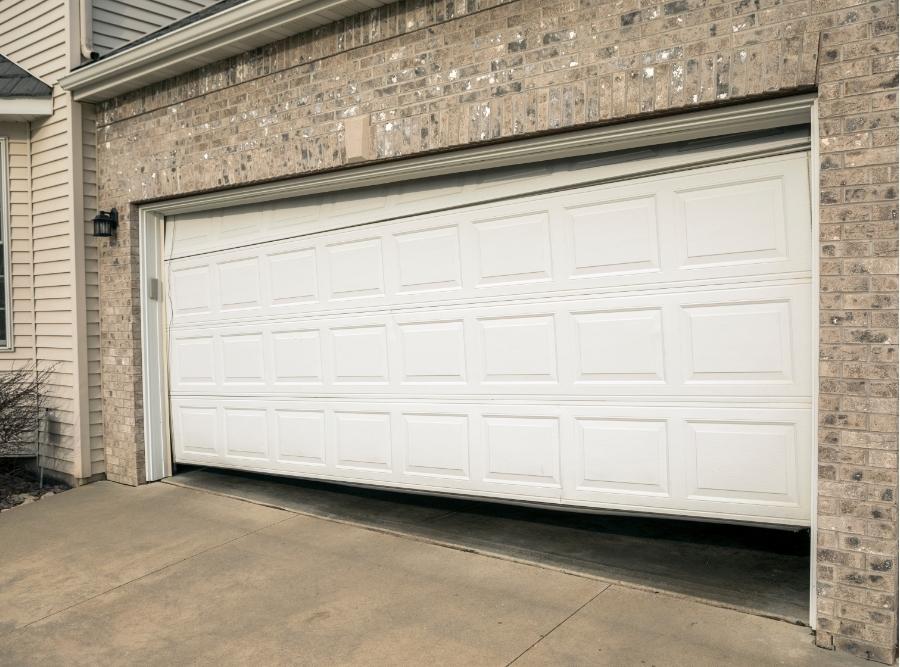
Why Garage Doors in Roseville Fail Sooner Than You Think (And How to Get 5-10 Extra Years Out of Yours)
Garage doors in Roseville fail sooner because of heavy daily use, extreme heat, direct sun exposure, and dust that accelerates wear on springs, rollers, and sensors. Most systems are used far more than they were designed for, especially when the garage serves as the main entry. With proper maintenance and upgraded components, you can realistically extend your garage door’s lifespan by 5 to 10 years.
Most homeowners in Roseville do not think much about their garage door until something suddenly goes wrong. One day it is working like it always has, and the next there is a loud bang, the kind that makes you stop in your tracks, followed by a door that will not open and a car that is not going anywhere.
That moment feels sudden, but it rarely is. Around Roseville, garage doors follow very predictable patterns of wear, and they tend to fail sooner than most people expect.
This is not because the doors are poorly made. It comes down to how they are used, where they are installed, and what they are exposed to every single day. Once you understand that, it becomes much easier to extend the life of your system by five to ten years.
In Roseville, the Garage Is the Front Door
In many parts of the country, a garage door opens a few times a day and then stays closed. In Roseville, it is part of your daily routine.
Across neighborhoods from Highland Reserve to Woodcreek Oaks, and especially in newer communities out past Fiddyment, the garage is the primary entrance. People come and go through it constantly. It is where groceries come in, where kids run in and out, and where most homeowners actually enter the house.
In newer builds, tandem garages are also common. Two cars deep means more shuffling, more open time, and more exposure to heat while the door sits open longer than intended. Add in home gyms or workspace setups in that back section, and the door is not just cycling more often, it is staying open for extended periods.
All of that use adds up quickly. A standard spring system is typically rated for about ten thousand cycles. Under heavy daily use, which is common in Roseville, that lifespan often drops into the three to five year range. What feels like early failure is really just accelerated wear.
The Heat Does More Than Make It Uncomfortable
Anyone who has lived through a Roseville summer knows how intense it can get. When temperatures push past one hundred degrees, your garage door is absorbing that heat all day long.
Metal expands under that kind of stress. As it does, the door can begin to rub slightly against the tracks or bind at certain points during travel. Lubricants that once kept everything running smoothly begin to break down faster, and the bottom seal, which is already taking a beating from the sun, starts to harden and crack.
In areas like West Park or Solaire, where newer developments have little shade, garage doors face direct sunlight for hours. Over time, that constant exposure fades finishes, dries out components, and changes the way the door sounds and moves.
Then, late at night, something else happens that catches people off guard. After a full day of extreme heat, the cooler Delta breeze rolls in and the metal contracts quickly. That sudden shift often creates a sharp popping sound, sometimes loud enough to make it seem like someone just knocked on the garage door. It is a normal reaction to temperature change, but if the system is already under stress, it can accelerate wear.
The Spring Is Doing More Work Than You Think
If there is one component that defines the lifespan of your garage door, it is the spring system.
The spring is what carries the weight of the door. The opener is not lifting that weight, it is guiding it. When the spring begins to lose tension, the balance of the entire system changes. The door feels heavier, movement slows, and the opener starts working harder than it was designed to.
Eventually, something gives.
When homeowners describe a loud bang that sounds like a gunshot, that is almost always a torsion spring snapping under tension. It is one of the most common failure points in Roseville, especially in high cycle households where the door is used throughout the day for commuting, errands, and deliveries.
The Problem That Looks Like a Broken Door but Is Not
There is one issue in Roseville that gets misdiagnosed all the time.
The door starts to close, then suddenly reverses. The opener light flashes, and nothing seems to fix it. It feels like the system is failing.
In many west facing homes, especially in newer developments along Blue Oaks or out toward Fiddyment, the cause is much simpler. The evening sun hits the safety sensors at just the right angle and interferes with the signal. The system reads it as an obstruction and refuses to close.
Nothing is broken. It is just a local quirk that shows up consistently in this part of the valley.
The Lubrication Mistake That Quietly Wears Everything Down
Roseville’s dust is not always obvious, but it is always there. With ongoing development and dry conditions, fine particles work their way into tracks, rollers, and hinges.
This is where many homeowners unintentionally create a bigger problem.
Reaching for WD 40 feels like the right move, but in this environment, it acts more like what I call a Roseville grime magnet. Instead of protecting moving parts, it attracts dust and turns into a fine abrasive paste over time. That paste works its way into bearings and surfaces, slowly wearing them down.
The first signs are subtle. A little more noise. A slightly rough movement. Over time, that added friction leads to premature failure of rollers, hinges, and eventually the system itself.
Older Homes Tell a Different Story
In established neighborhoods like Cherry Glen, Roseville Heights, and parts of East Roseville, the issues are less about usage and more about materials.
Older wood doors and wood framed openings are vulnerable to moisture at the base. Over time, that can lead to dry rot. When that happens, the structural integrity of the door begins to weaken, especially around the bottom brackets where the lift cables attach.
Those brackets are under significant tension. If the wood begins to fail, the brackets can pull loose, leading to a door that becomes uneven or even comes off track. At that point, what started as a maintenance issue becomes a much larger repair.
Small Changes Lead to Bigger Failures
Garage doors almost always give warning signs before they fail completely. The challenge is that those signs are easy to ignore.
A door that sounds different. A slight delay in movement. A subtle imbalance that was not there before. These are early indicators that something is wearing out or losing alignment.
When those signs are ignored, the system compensates. The opener works harder, components take on more stress, and eventually a single failure triggers a chain reaction. A worn spring leads to motor strain. A loose cable causes the door to wedge in the tracks. What could have been a straightforward repair becomes a more expensive problem.
How to Get 5 to 10 More Years Out of Your System
Extending the life of your garage door in Roseville is not complicated, but it does require a different approach than a low use environment.
The first step is matching your hardware to your usage. In a high cycle household, upgrading to a higher cycle spring system makes a noticeable difference. Instead of replacing springs every few years, you are installing components designed to handle the reality of daily use.
Proper lubrication also plays a critical role. Using a garage door specific lubricant helps reduce friction, protect moving parts, and prevent the buildup that leads to premature wear.
Routine inspections are just as important. A yearly tune up allows small issues like loose hardware, worn rollers, or early spring fatigue to be addressed before they escalate.
For homeowners using their garage as a functional living space, upgrading to an insulated door can also help stabilize temperature and reduce the impact of extreme heat on the system.
A Final Thought From the Field
Garage doors in Roseville do not fail early without a reason. They are simply working harder than most people realize.
Between the heat, the dust, and the constant daily use, the system is under steady pressure. The good news is that most of the problems that lead to early failure are predictable and preventable.
If your door sounds different, feels heavier, or does not move the way it used to, it is worth paying attention. Those small changes are the system telling you something is wearing out.
Addressing it early is what keeps a simple repair from turning into a major replacement, and it is what allows your garage door to last years longer than most homeowners expect.
